Executive Summary
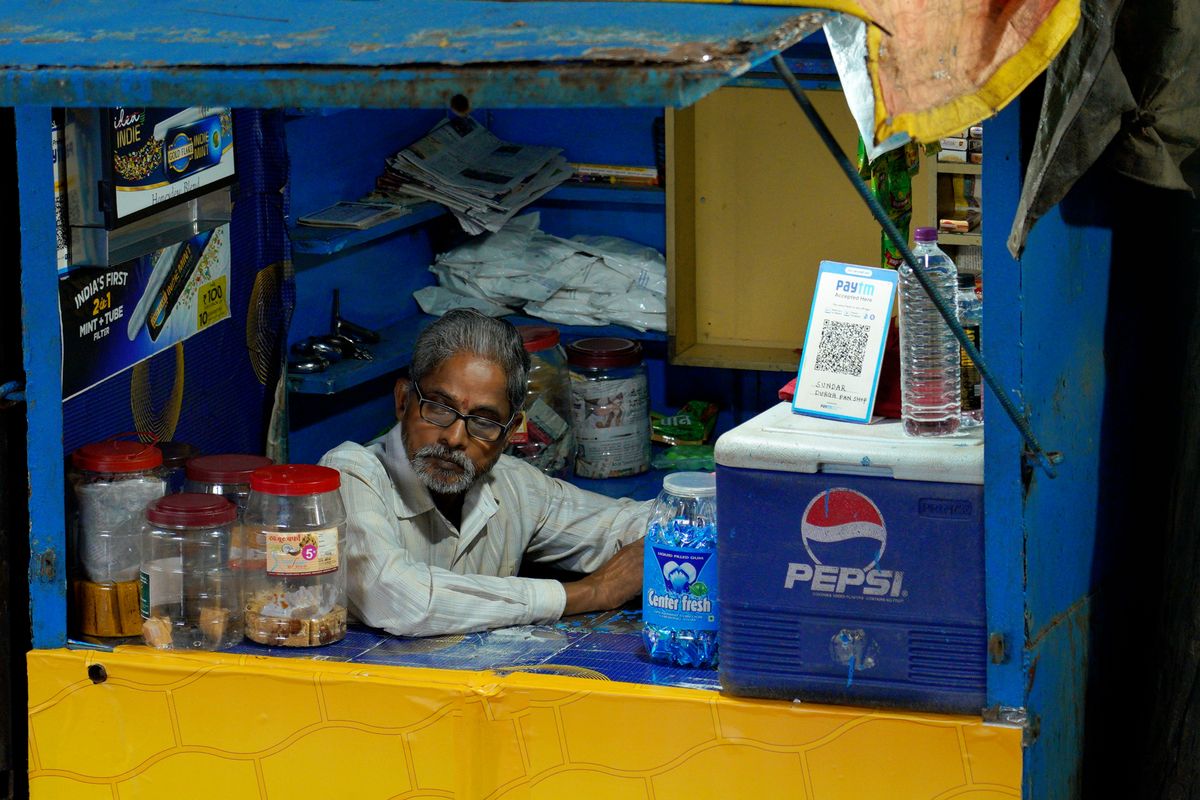
Kirana stores own trust and proximity but lose baskets to quick-commerce apps on convenience. This playbook shows how a WhatsApp storefront — catalogue, order thread, UPI collection — closes that gap for under ₹1,000 a month in tooling.
The Operating Model
- Digitise the shelf. Push 200–300 SKUs to the WhatsApp catalogue with MRP and photos.
- Broadcast the weekly list. Vegetable prices, new stock and offers every Sunday evening.
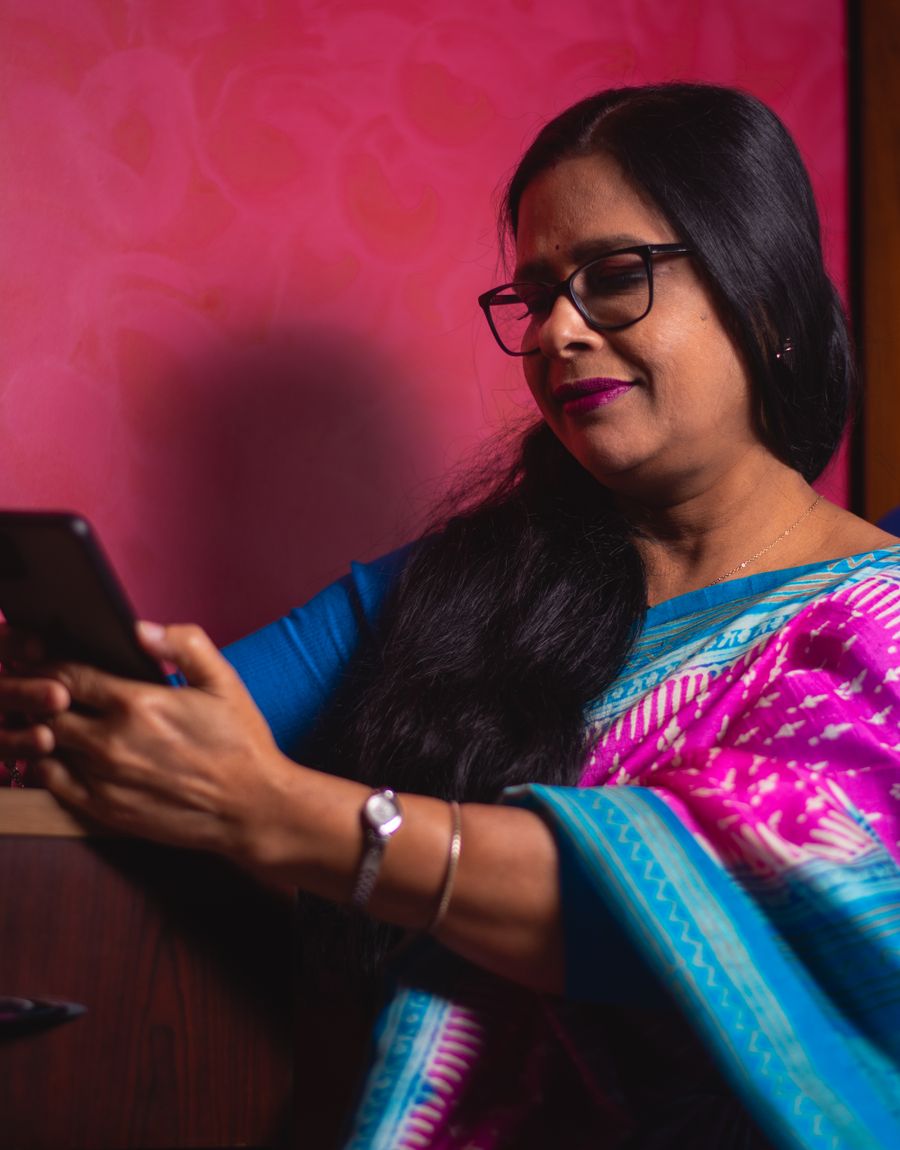
- Take orders in threads. One thread per household; repeat orders are copy-paste.
- Collect on UPI. Payment requests at packing time; COD confirmation for the rest.
- Retain with memory. Monthly "your usual list?" nudges timed to purchase cycles.
Unit Economics
- Average chat order value runs 1.6× walk-in baskets (suggestive selling in-thread).
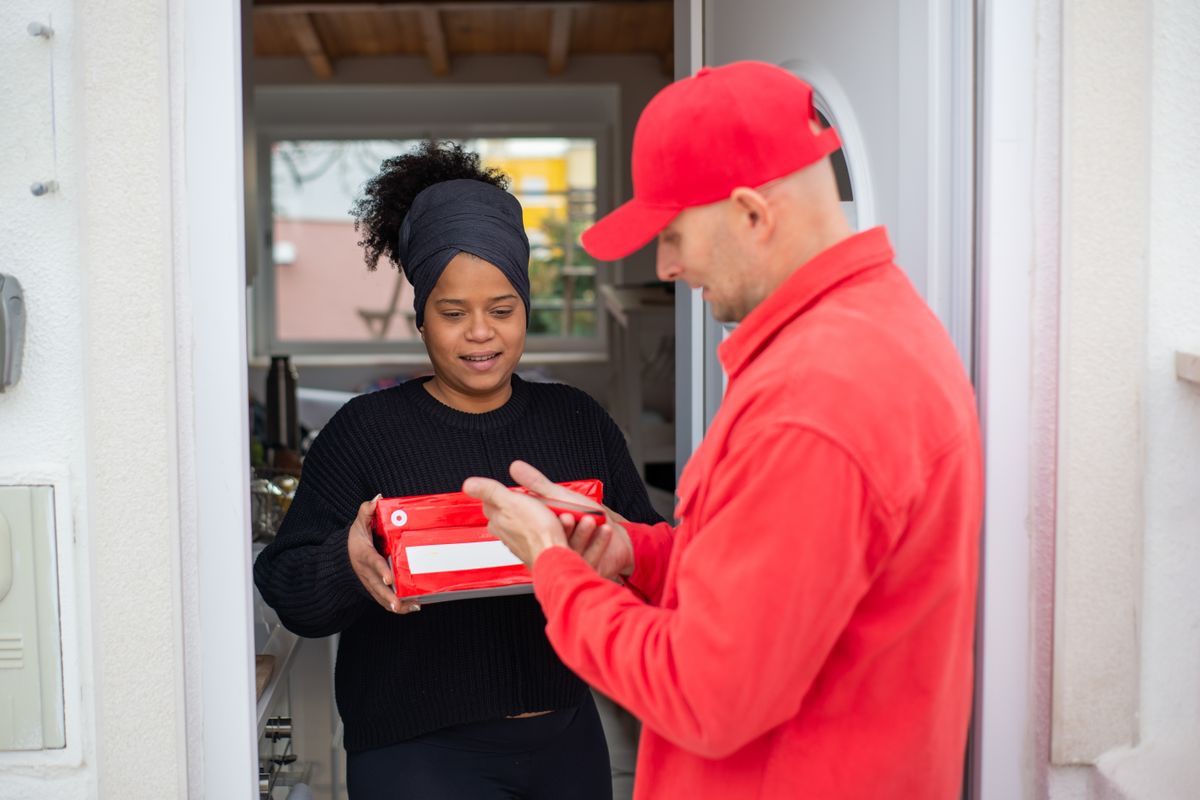
- Delivery batches by lane keep logistics cost under 3% of revenue.
- Churned households reactivate at ~22% with a single festival broadcast.
Methodology note.
Figures synthesise observed patterns across pilot kirana deployments in 2024–25, rounded conservatively. Treat them as planning anchors, not guarantees.